
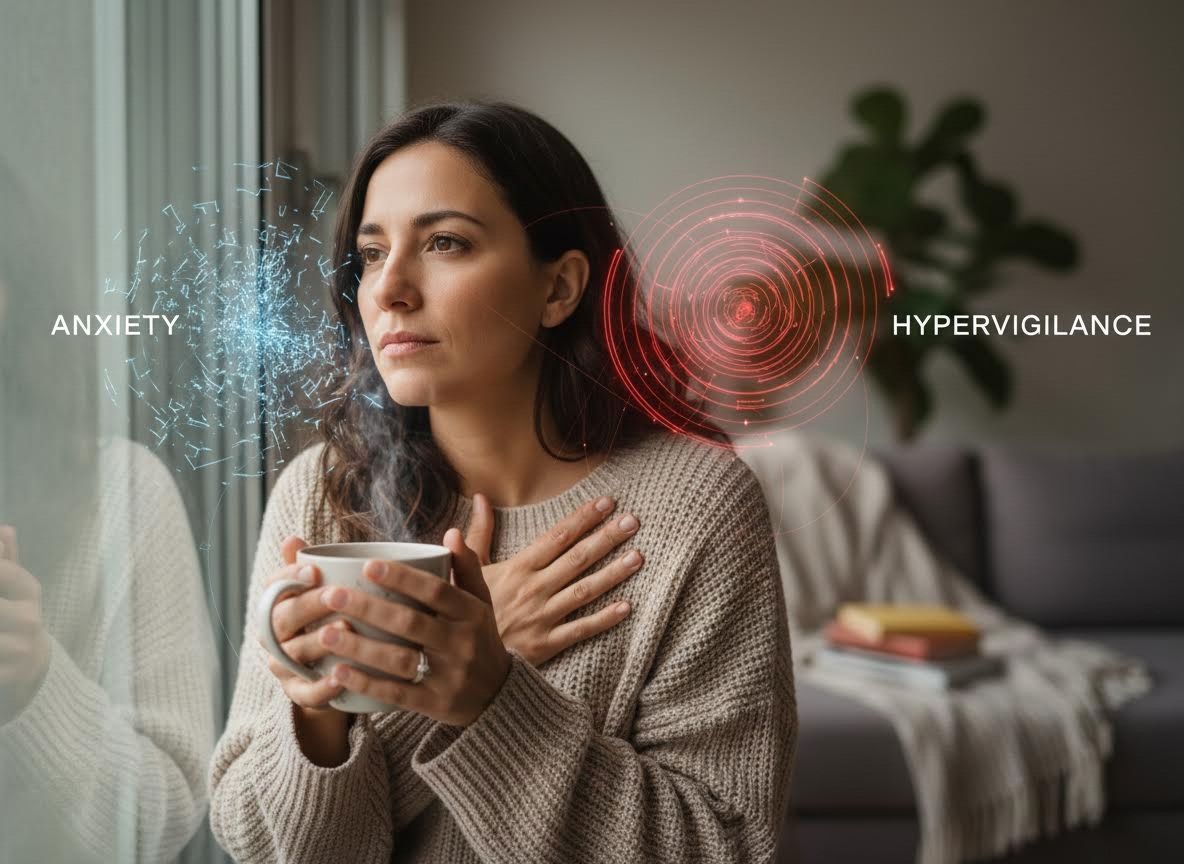
Navigating the aftermath of a traumatic experience can leave you feeling perpetually on edge, wondering if your heightened state is simply anxiety or something deeper rooted in your nervous system. At Freedom Counseling of Vero Beach LLC, we understand that distinguishing between these responses is a crucial step towards healing and reclaiming your inner peace. This blog post aims to clarify the differences between general anxiety and trauma-induced hypervigilance, helping you better understand your body's signals.

The Body's Alarm System: Anxiety After Trauma
Anxiety is a natural human emotion characterized by feelings of worry, nervousness, or unease, typically about an event with an uncertain outcome. In the context of trauma, anxiety can become chronic and overwhelming, manifesting as constant worry, panic attacks, or persistent fear. This post-traumatic anxiety often stems from the brain's attempt to prevent future harm by anticipating threats, even when they aren't present. It's like an alarm system that remains stuck on high alert long after the danger has passed, leading to exhaustion and a diminished quality of life.

Hypervigilance: A Survival Strategy Gone Overactive
Hypervigilance is a state of increased alertness, where your nervous system is constantly scanning the environment for signs of danger, even subtle ones. Unlike general anxiety, which can feel diffuse, hypervigilance is often a direct, albeit maladaptive, survival mechanism developed after experiencing trauma, especially in coercive or high-control environments. For those healing from high-control groups or who have experienced Signs of Spiritual Abuse, this heightened state might involve meticulously observing body language, tone of voice, or environmental cues to detect potential threats or manipulation. It’s an exhausting effort to prevent past harms from recurring, leaving individuals feeling constantly drained and unable to relax.
Distinguishing the Two: Origins and Manifestations
While both anxiety and hypervigilance involve a heightened state of alert, their origins and manifestations can differ. Anxiety might cause you to worry excessively about future events, whereas hypervigilance makes you acutely aware of your immediate surroundings, scrutinizing every detail for hidden meanings or dangers based on past traumatic experiences. For example, general anxiety might lead to fear of social situations, but hypervigilance might cause you to analyze every word spoken in a conversation, searching for judgment or control. Understanding these distinctions is vital, as effective healing strategies often target these different mechanisms.
Pathways to Reclaiming Your Sense of Safety
Recognizing whether you're experiencing anxiety, hypervigilance, or both, is the first step towards recovery. Healing involves gently retraining your nervous system to understand that you are now safe. Trauma-informed therapies provide a supportive framework for this journey. For individuals navigating the complexities of their past, particularly those in Florida seeking Religious Trauma Therapy Florida, specialized support is invaluable. Modalities like Online EMDR for Trauma are highly effective in helping individuals process distressing memories and regulate their nervous systems without having to endlessly relive the past, fostering a sense of calm and empowerment.
Understanding the nuances of your nervous system's response to trauma is a profound step toward healing and reclaiming your autonomy. At Freedom Counseling of Vero Beach LLC, we specialize in creating a safe, non-judgmental space for adults to process these experiences and cultivate lasting peace. If you're ready to explore how trauma-informed care can help you navigate these feelings, we encourage you to learn more about our specialized services designed to support your unique journey.