Navigating the path to healing after experiencing coercive environments or spiritual abuse can feel like an overwhelming journey, yet finding moments of calm and connection is crucial for recovery. For many, reconnecting with the natural world offers a profound and accessible pathway to grounding, helping to re-establish a sense of safety and self outside of past controlling structures. At Freedom Counseling of Vero Beach LLC, we understand the importance of holistic well-being in your healing process, and sometimes, the simplest remedies are the most powerful.
The Restorative Power of Nature for a Disregulated Nervous System
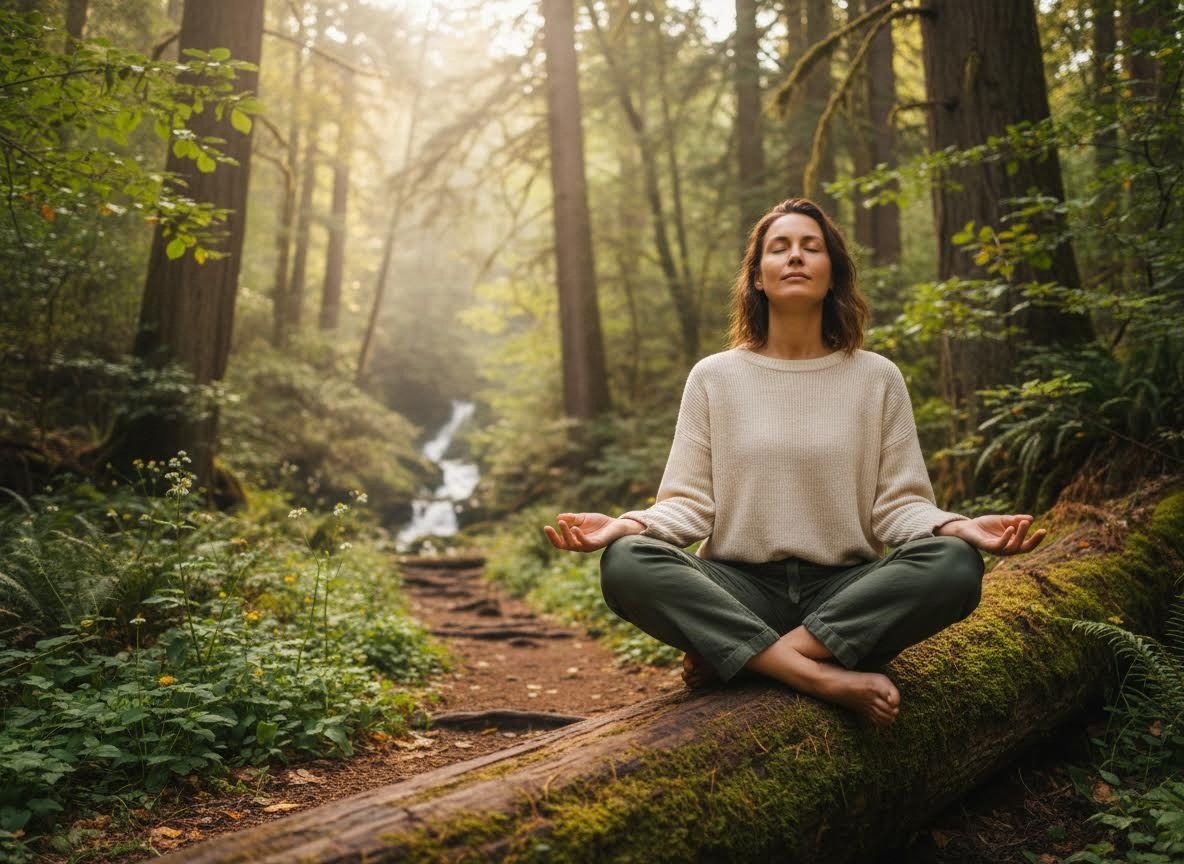
When individuals emerge from high-control environments or cult involvement, their nervous systems are often in a state of chronic dysregulation, accustomed to vigilance, fear, or suppression. Nature provides a stark contrast to this internal chaos. Spending time outdoors, whether it's a walk in a local park, a moment by the ocean, or simply sitting in a garden, can profoundly impact your physiological state. The sights, sounds, and smells of nature have been shown to lower cortisol levels, reduce heart rate, and decrease muscle tension, all contributing to a more regulated and peaceful internal experience. This gentle re-calibration is a vital step in Healing from High-Control Groups, helping to shift from a survival-focused state to one of calm and presence.
Reclaiming Self and Building Trust Beyond Manipulation
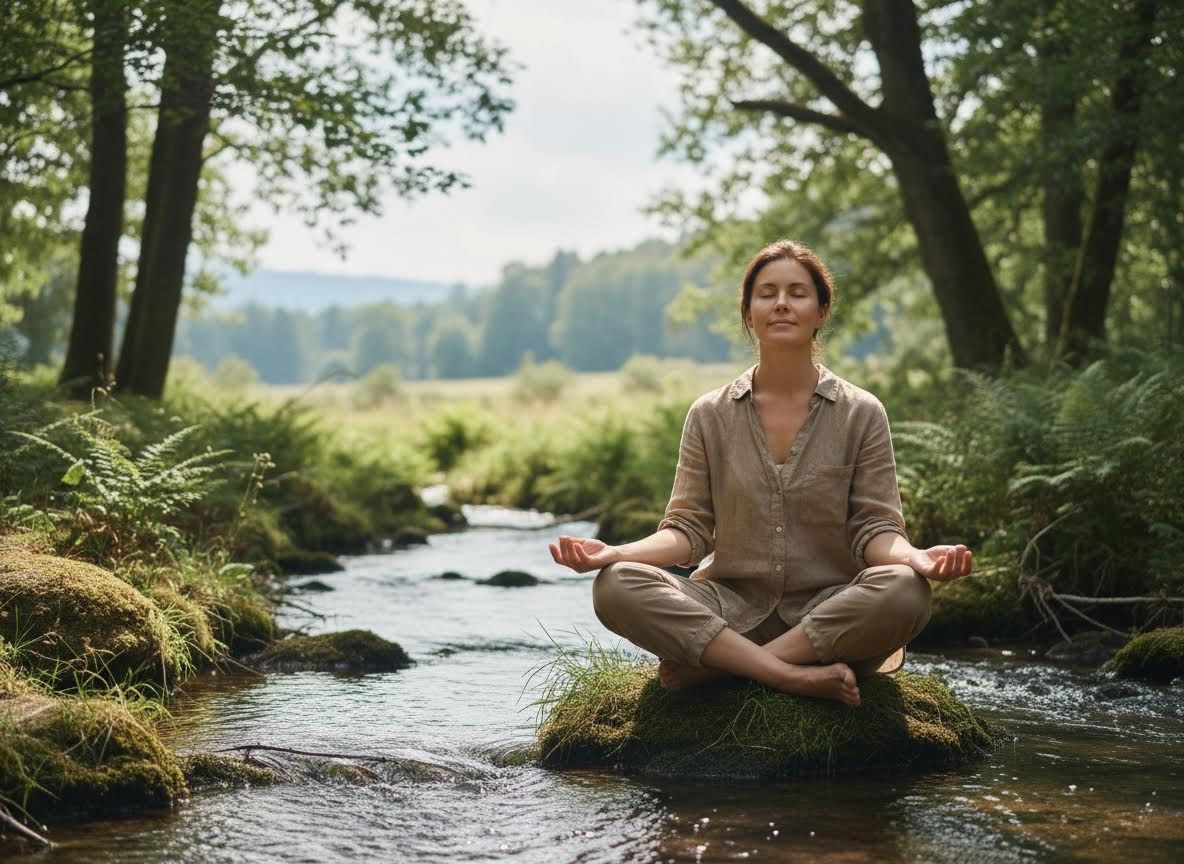
One of the most insidious effects of spiritual abuse and coercive groups is the erosion of self-trust and autonomy, often manifesting as a struggle to identify one's own thoughts, feelings, and intuition. Nature offers a non-judgmental and unconditional space where you can begin to reclaim these lost parts of yourself. There are no expectations or demands in nature, only an invitation to observe, reflect, and simply be. This radical acceptance can be deeply therapeutic, allowing individuals to process past experiences, recognize Signs of Spiritual Abuse, and slowly rebuild a foundation of inner strength and self-reliance. It's an opportunity to connect with something larger and more stable than past manipulative structures, fostering a sense of belonging that is truly earned, not coerced.
Practical Pathways to Grounding in the Great Outdoors
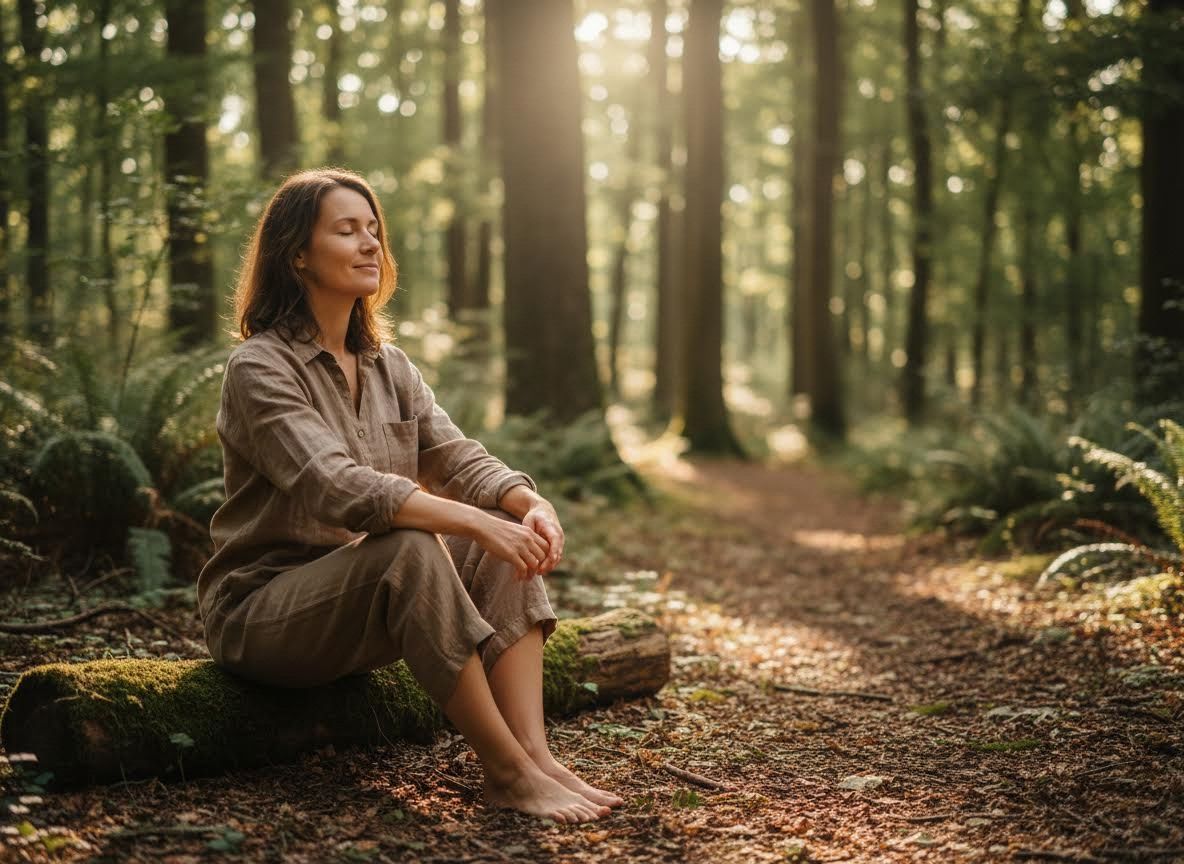
Integrating nature into your healing journey doesn't require grand expeditions; even small, consistent practices can yield significant benefits. Consider mindful walking, where you pay close attention to the sensations of your feet on the ground, the rustle of leaves, or the warmth of the sun. Engaging your senses in this way anchors you to the present moment, a valuable skill for those processing trauma. You might also explore "forest bathing" (Shinrin-yoku), which involves simply immersing yourself in the atmosphere of the forest. For those engaging in therapies like Online EMDR for Trauma, these grounding practices can be a powerful complement, helping to integrate insights and maintain nervous system regulation between sessions. Whether it's a few minutes gazing out a window at a tree or a planned outing to a natural space, consistency is key.
Finding Support for Deeper Healing
While nature offers incredible solace, sometimes the path to healing requires more structured support. For individuals grappling with the aftermath of religious or spiritual harm, specialized care can make a significant difference. Engaging with a therapist experienced in Religious Trauma Therapy in Florida provides a safe space to unpack complex emotions, challenge deeply ingrained beliefs, and navigate identity reconstruction. The journey away from coercive control is unique for everyone, and having professional guidance ensures you don't have to carry the burden alone.
Embracing nature as an ally in your healing journey can provide invaluable moments of peace and reconnection, offering a gentle yet powerful counterpoint to the complexities of past trauma. If you are seeking additional guidance to navigate the intricate process of reclaiming your autonomy and rebuilding your life, learning more about trauma-informed care can be an empowering next step.